Sedona Sunset Harmony An Impressionist Journey Through Arizona's Red Rocks and Cacti
- bsuranyi4
- Apr 16
- 4 min read
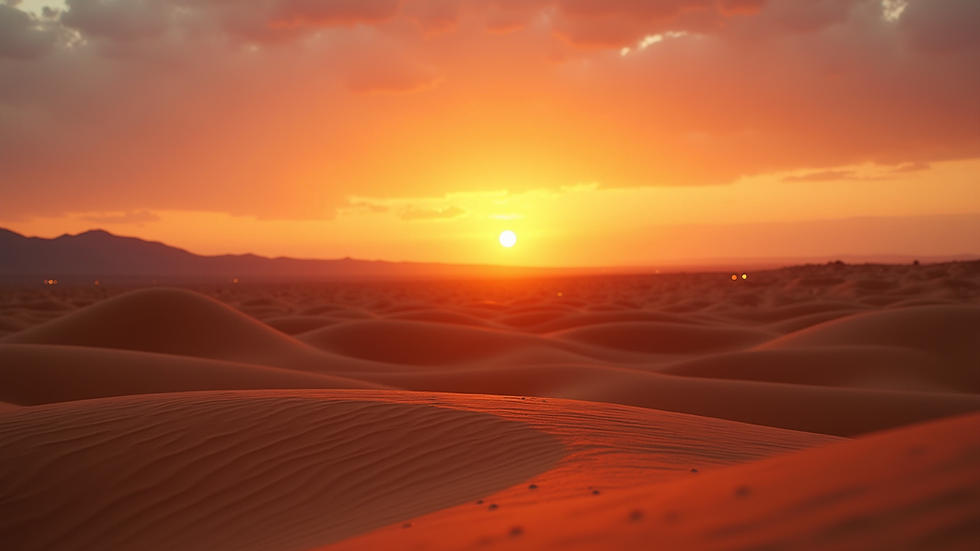
Arizona’s landscape offers a unique blend of natural beauty and cultural history, especially around Sedona. The region’s red rocks, vast Sonoran desert, and iconic cacti create a captivating scene that has inspired artists for generations. This post explores the rich visual and cultural tapestry of Sedona and its surroundings through the lens of impressionist and generative digital art, capturing the essence of a desert sunset and the spirit of the Old West.

The Allure of Sedona’s Red Rocks at Sunset
Sedona’s red rocks are famous worldwide for their striking colors and dramatic shapes. As the sun sets, these sandstone formations shift from bright orange to deep crimson, creating a natural spectacle that draws photographers, hikers, and artists alike. The warm light enhances the textures and shadows, making the landscape appear almost otherworldly.
The red rocks are more than just a backdrop; they are a symbol of the Southwest’s rugged beauty and spiritual energy. Many visitors describe a sense of calm and inspiration when watching the sunset here, a feeling that artists try to capture in their work.
Sonoran Desert and Its Iconic Cacti
The Sonoran desert surrounds Sedona and extends across much of southern Arizona. It is home to a variety of cacti species, with the saguaro cactus standing out as the desert’s most iconic plant. These towering cacti, often reaching heights of 40 feet, provide a striking contrast against the red rocks and open sky.
The saguaro’s silhouette at sunset is a classic image of the American Southwest. Its arms reach skyward, creating a natural sculpture that changes with the light. Alongside saguaros, other desert plants like prickly pear and cholla add texture and color to the landscape.
Cowboys and Arizona Ranch Life
The spirit of the Old West still lingers in Arizona’s ranches and small towns. Cowboys, cattle drives, and dusty trails are part of the region’s history and culture. Towns like Tombstone, famous for its Wild West past, offer a glimpse into this rugged lifestyle.
Artists often incorporate these themes into their work, blending the natural environment with human stories. The image of a cowboy silhouetted against a desert sunset, with red rocks and cacti framing the scene, evokes a sense of adventure and nostalgia.
Impressionist and Generative Art in Capturing the Desert
Impressionism focuses on capturing light and movement rather than precise details. This style suits the desert landscape perfectly, where shifting light and weather create ever-changing scenes. Impressionist artists use loose brushstrokes and vibrant colors to convey the mood of a sunset or the heat of the day.
Generative art, created with digital tools and algorithms, offers a modern way to explore these themes. Artists can simulate the play of light on red rocks or the swirling dust devils common in the desert. Combining impressionist techniques with generative processes results in dynamic, layered images that feel alive.
The Phenomenon of Dust Devils
Dust devils are small whirlwinds that form on hot desert days. They lift dust and debris into twisting columns, adding movement and drama to the landscape. These natural occurrences are fleeting but visually striking, often appearing during the late afternoon when the sun heats the ground.
In art, dust devils symbolize the desert’s energy and unpredictability. Their swirling forms contrast with the solid, ancient rocks and the stillness of cacti, creating a balance between motion and stability.
Sedona Sunset Harmony: A Visual and Emotional Experience
The phrase "Sedona Sunset Harmony" captures the peaceful yet vibrant feeling of watching the sun dip behind the red rocks. It’s a moment when colors blend, shadows stretch, and the desert breathes a quiet life. This harmony inspires artists to create works that reflect both the physical beauty and the emotional resonance of the place.
Whether through traditional painting or digital media, capturing this harmony requires attention to light, color, and atmosphere. The impressionist approach helps convey the fleeting nature of sunset, while generative art adds depth and texture.
Practical Tips for Artists and Visitors
Timing is key: The best light for capturing Sedona’s red rocks is during the golden hour, roughly an hour before sunset.
Explore different perspectives: Try eye-level views of cacti against the sky or wide-angle shots that include the vast desert.
Incorporate local elements: Cowboys, ranch scenes, and dust devils add storytelling layers to your art.
Use digital tools: Experiment with generative art software to simulate desert light and movement.
Respect the environment: Stay on trails and avoid disturbing plants and wildlife.
Bringing the Southwest Home Through Art
Many artists create works inspired by Sedona and the Sonoran desert to share the region’s beauty beyond Arizona. Prints, digital paintings, and sculptures featuring red rocks, saguaros, and desert sunsets allow people to experience a piece of the Southwest wherever they live.
Collectors often seek pieces that evoke the feeling of a desert sunset, with warm colors and natural textures. These artworks serve as reminders of nature’s power and the quiet moments found in the desert.


Comments