Explore Generative AI Southwestern Impressionist Paintings
- bsuranyi4
- Apr 13
- 4 min read
Generative AI is transforming the art world, offering new ways to create and experience art. One fascinating area of exploration is the intersection of generative AI and Southwestern Impressionist paintings. This blog post delves into how generative AI is reshaping the creation of art, particularly in the context of the vibrant landscapes and cultural richness of the Southwestern United States.
Understanding Generative AI in Art
Generative AI refers to algorithms that can create new content based on existing data. In the art world, this technology can produce images, music, and even text. By analyzing vast amounts of artwork, generative AI can learn styles, techniques, and themes, allowing it to generate original pieces that reflect those influences.
How Generative AI Works
At its core, generative AI uses machine learning models, particularly neural networks, to analyze and synthesize data. Here’s a simplified breakdown of the process:
Data Collection: Large datasets of existing artworks are gathered. For Southwestern Impressionist paintings, this might include works by artists like Georgia O'Keeffe and Maynard Dixon.
Training the Model: The AI model is trained on this dataset, learning to recognize patterns, colors, and styles.
Content Generation: Once trained, the AI can generate new images that mimic the learned styles while introducing unique elements.
Refinement: Artists can refine the AI-generated images, adding personal touches or adjusting elements to better fit their vision.
This process opens up exciting possibilities for artists and art enthusiasts alike.
The Allure of Southwestern Impressionism
Southwestern Impressionism is characterized by its vibrant colors, dynamic light, and the unique landscapes of the American Southwest. Artists in this genre often focus on the interplay between light and shadow, capturing the essence of the desert, mountains, and skies.
Key Characteristics of Southwestern Impressionism
Color Palette: Rich, warm tones that reflect the natural beauty of the Southwest.
Light and Shadow: A focus on how light interacts with the landscape, creating depth and movement.
Cultural Elements: Incorporation of Native American motifs and themes, reflecting the region's diverse heritage.
These elements make Southwestern Impressionism a perfect candidate for exploration through generative AI.
The Role of Generative AI in Creating Southwestern Impressionist Art
Generative AI can enhance the creation of Southwestern Impressionist paintings in several ways:
Expanding Creative Horizons
Artists can use generative AI to explore new compositions and color schemes that they might not have considered. For example, an artist could input a few images of traditional Southwestern landscapes and let the AI generate variations that blend different styles or perspectives.
Collaborating with AI
Many artists are beginning to see AI as a collaborator rather than a replacement. By using generative AI tools, artists can create a dialogue with the technology, allowing it to inspire new ideas while maintaining their artistic voice.
Case Study: AI-Generated Southwestern Landscapes
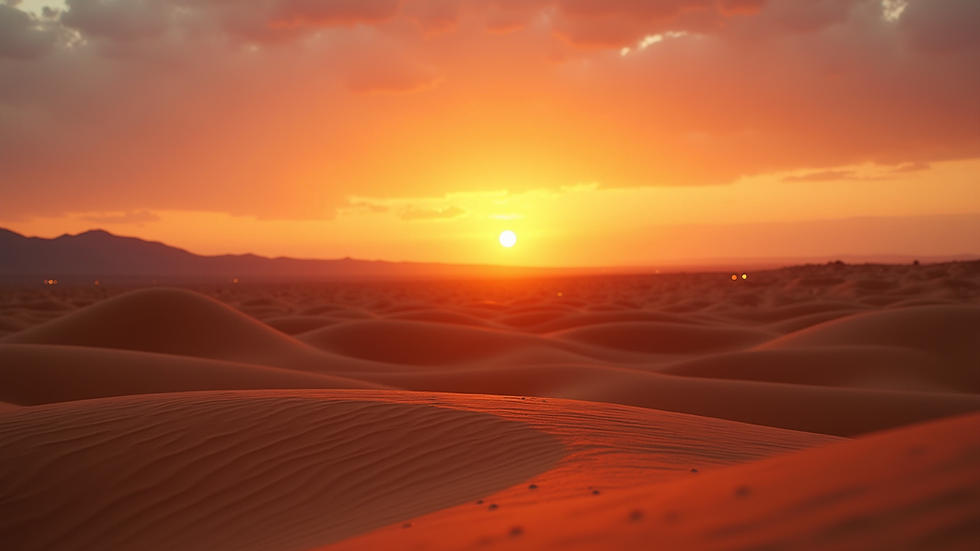
Consider an artist who specializes in painting desert landscapes. By using a generative AI tool, they input images of their previous works and let the AI generate new landscapes. The AI might produce a piece that combines elements of a sunset over the Grand Canyon with the vibrant colors of a New Mexico sunset. The artist can then take this AI-generated image and refine it, adding personal touches that reflect their style.
Challenges and Considerations
While the integration of generative AI into art offers exciting possibilities, it also raises important questions:
Authenticity and Ownership
As AI-generated art becomes more prevalent, issues of authenticity and ownership arise. Who owns the rights to an artwork created by an AI? Is it the artist who refined the piece, the programmer who created the AI, or the AI itself? These questions are still being debated in the art community.
The Role of the Artist
Some critics argue that relying on AI diminishes the role of the artist. However, many artists view AI as a tool that enhances their creativity rather than replacing it. The challenge lies in finding a balance between using technology and maintaining the human touch that defines art.
The Future of Generative AI in Southwestern Impressionism
As technology continues to evolve, the potential for generative AI in art will only grow. Here are a few trends to watch:
Increased Collaboration
More artists will likely embrace AI as a collaborative partner, leading to innovative works that blend human creativity with machine learning.
New Platforms for Sharing Art
As generative AI art becomes more mainstream, new platforms will emerge for artists to showcase their AI-generated works, allowing for greater visibility and appreciation of this unique art form.
Educational Opportunities
Art schools and institutions may begin to incorporate generative AI into their curricula, teaching students how to use these tools effectively while fostering their artistic voice.
Conclusion
Generative AI is revolutionizing the way we create and experience art, particularly in the realm of Southwestern Impressionism. By blending technology with traditional artistic techniques, artists can explore new creative avenues and produce stunning works that reflect the beauty of the Southwest. As we move forward, the collaboration between artists and AI will undoubtedly lead to exciting developments in the art world.
The journey into generative AI and Southwestern Impressionism is just beginning. Whether you are an artist, an art lover, or simply curious about the intersection of technology and creativity, now is the time to explore this fascinating frontier. Embrace the possibilities, and who knows what stunning landscapes you might discover next!


Comments